Get Emergency Tree Service Today
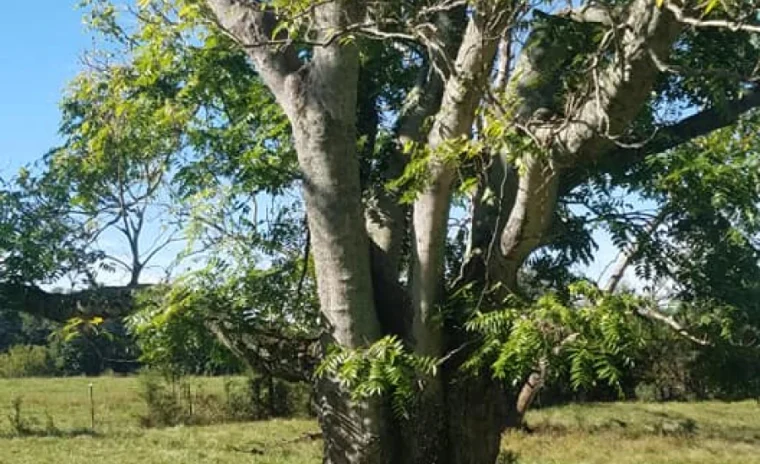
Recognize Tree Decline Before It Becomes Dangerous in Shelbyville, TN
Dead or Dying Branches Throughout the Canopy
One of the earliest and most visible indicators of a declining tree is the presence of dead or dying branches scattered throughout the canopy. In healthy trees, branches remain flexible and show consistent bud development each spring. When branches die, they become brittle, lose their bark, and fail to produce leaves during the growing season.
In Middle Tennessee, where oaks and maples dominate residential landscapes, branch die-back often accelerates during hot, dry summers when stressed trees cannot transport water and nutrients to their extremities. A single dead branch may not signal immediate danger, but multiple dead sections throughout the crown suggest systemic decline or disease.
Dead branches pose serious safety hazards. They can fall without warning during storms or high winds, potentially damaging property or injuring people below. During Shelbyville’s spring storm season, weak branches are especially vulnerable to breakage.
If you notice several dead branches, especially in the upper canopy where they are harder to inspect from the ground, contact a tree trimming service for evaluation. Our tree services include canopy assessment and selective pruning to remove hazardous limbs before they become a safety concern. Early intervention through strategic trimming can sometimes slow decline in salvageable trees.
Bare Patches and Missing Bark on the Trunk
Bark serves as a tree’s protective layer, shielding the inner cambium and sapwood from pests, disease, and environmental stress. When large sections of bark begin peeling, cracking, or falling away, it exposes vulnerable tissue and often indicates serious internal problems.
Missing bark can result from several causes: fungal infections, insect damage, physical injury, or natural aging. In Tennessee’s humid climate, fungal pathogens thrive in wounded bark, accelerating decay. Vertical cracks that expose the inner wood are particularly concerning, as they provide entry points for borers and other destructive insects.
Pay attention to the location and extent of bark loss. Small areas of damage near the base may result from mower strikes or animal activity and can often heal with time. However, extensive peeling around the trunk’s circumference disrupts nutrient flow and can girdle the tree, cutting off its lifeline.
Trees with significant bark damage rarely recover on their own. If you observe large bare patches or bark that separates easily from the trunk, schedule an assessment with a tree removal service to determine whether the tree can be saved or poses a collapse risk. Our team evaluates bark condition as part of a thorough health inspection, helping you make informed decisions about tree removal services or treatment options.
Fungal Growth and Mushrooms at the Base
The appearance of mushrooms, conks, or other fungal growth around a tree’s base or on its trunk is a red flag that internal decay has taken hold. Fungi feed on dead or dying wood, and their visible fruiting bodies indicate that rot has progressed deep inside the tree’s structure.
Common fungal species in Middle Tennessee include honey mushrooms and shelf fungi, both of which colonize weakened or stressed trees. Once fungi establish themselves in the root system or trunk, they break down the wood’s structural integrity, making the tree unstable and prone to sudden failure.
Fungal growth is especially concerning near the root flare, where it signals root rot. Root rot compromises the tree’s anchor system, and trees with extensive root decay can topple without warning, particularly during high winds or saturated soil conditions common after heavy rains.
If you see mushrooms or bracket fungi on or near your tree, do not wait to act. These visible signs mean decay is already advanced. A tree cutting service can evaluate the extent of internal rot using diagnostic tools and recommend removal if the tree poses a hazard. Our emergency tree service responds quickly when fungal damage creates an imminent safety threat, and we provide stump grinding service to eliminate the fungal source after removal.
Leaning Trunk and Exposed or Damaged Roots
A tree that begins to lean noticeably, especially if the lean develops suddenly, signals root instability or structural failure. While some trees naturally grow at an angle, a new or worsening lean indicates the root system can no longer support the tree’s weight.
Exposed roots are another warning sign. Roots should remain mostly underground, anchoring the tree and absorbing water. When you see roots lifting out of the soil, cracking, or showing signs of decay, the tree’s stability is compromised. In Shelbyville, heavy clay soils and periodic flooding can weaken root systems, and shallow-rooted species like dogwoods are particularly vulnerable.
Lean combined with soil heaving on one side of the tree is an emergency. It means the root plate is pulling free, and the tree could fall at any moment, especially during storms or strong winds. Trees near homes, driveways, or power lines require immediate evaluation.
Do not attempt to brace or stabilize a leaning tree yourself. Contact an emergency tree service immediately for assessment. Large tree trimming or removal may be necessary to prevent property damage or injury. Our team handles hazardous tree situations safely, and we coordinate with local utilities when trees threaten power lines. After removal, our stump grinding service clears the site completely.
When to Act: Next Steps for Tree Health Concerns
Recognizing these warning signs early gives you the best chance to protect your property and family. A dying tree does not always require immediate removal. Some trees respond well to targeted pruning, pest treatment, or soil improvement, while others have progressed beyond recovery and need safe removal before they fail.
If you have observed one or more of these signs, the next step is a thorough evaluation by a qualified tree care provider. Our team assesses tree health using visual inspection, diagnostic tools, and knowledge of local conditions in Shelbyville and Middle Tennessee. We identify the underlying cause of decline, whether disease, pest infestation, root damage, or environmental stress.
For trees that can be saved, we recommend appropriate interventions such as selective trimming to remove dead wood, pest management, or soil amendments to improve root health. When removal is the safest option, we handle the process efficiently, minimizing disruption to your property and ensuring complete cleanup.
Do not wait until a storm brings a weakened tree down. Contact us today for a free evaluation of any tree showing signs of decline. Whether you need tree trimming service, tree removal service, or ongoing tree health services, we provide clear recommendations and responsive care. Call us at 9317038097 or visit our contact page to schedule your assessment and gain clarity on the best path forward for your trees.